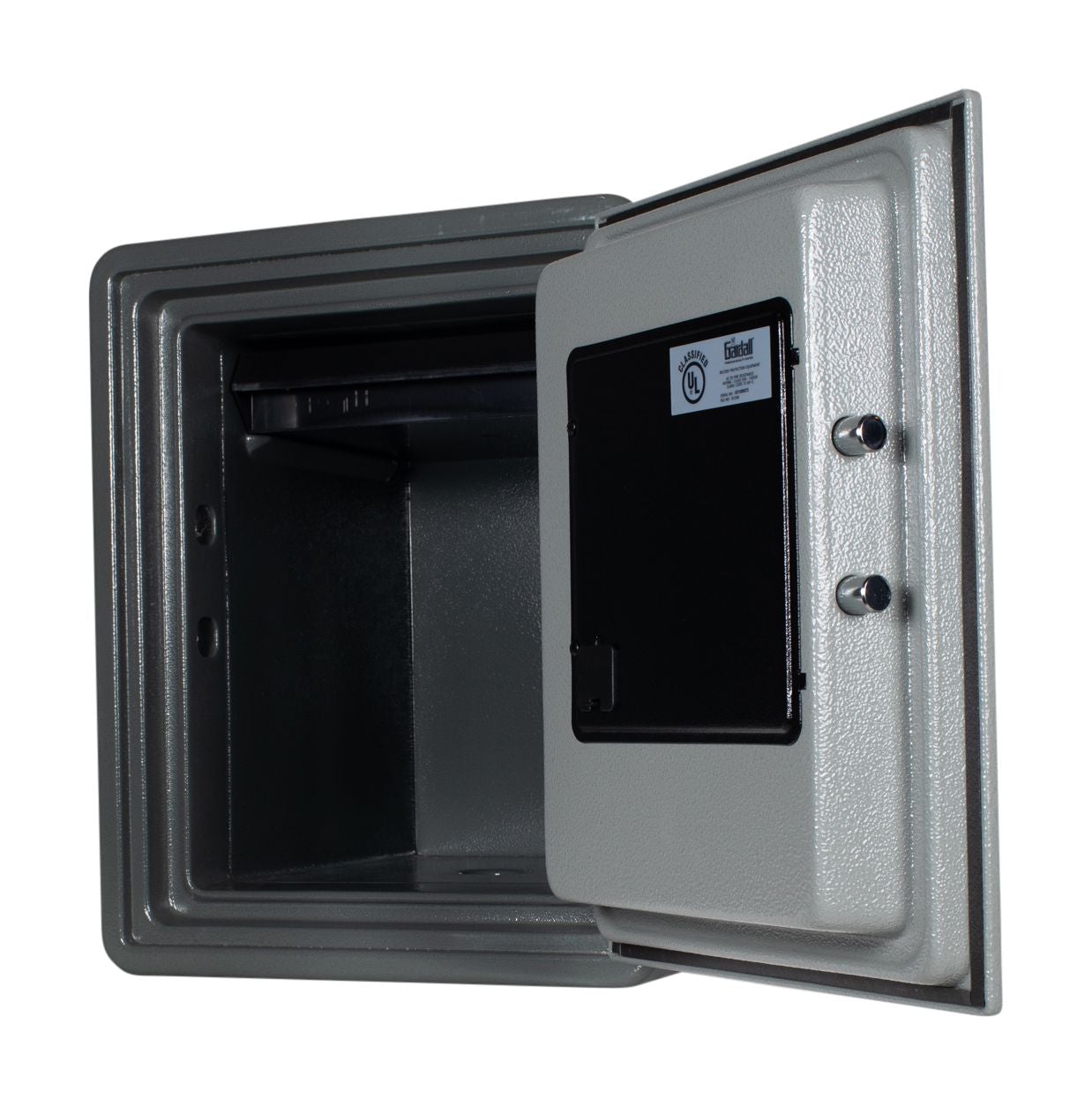
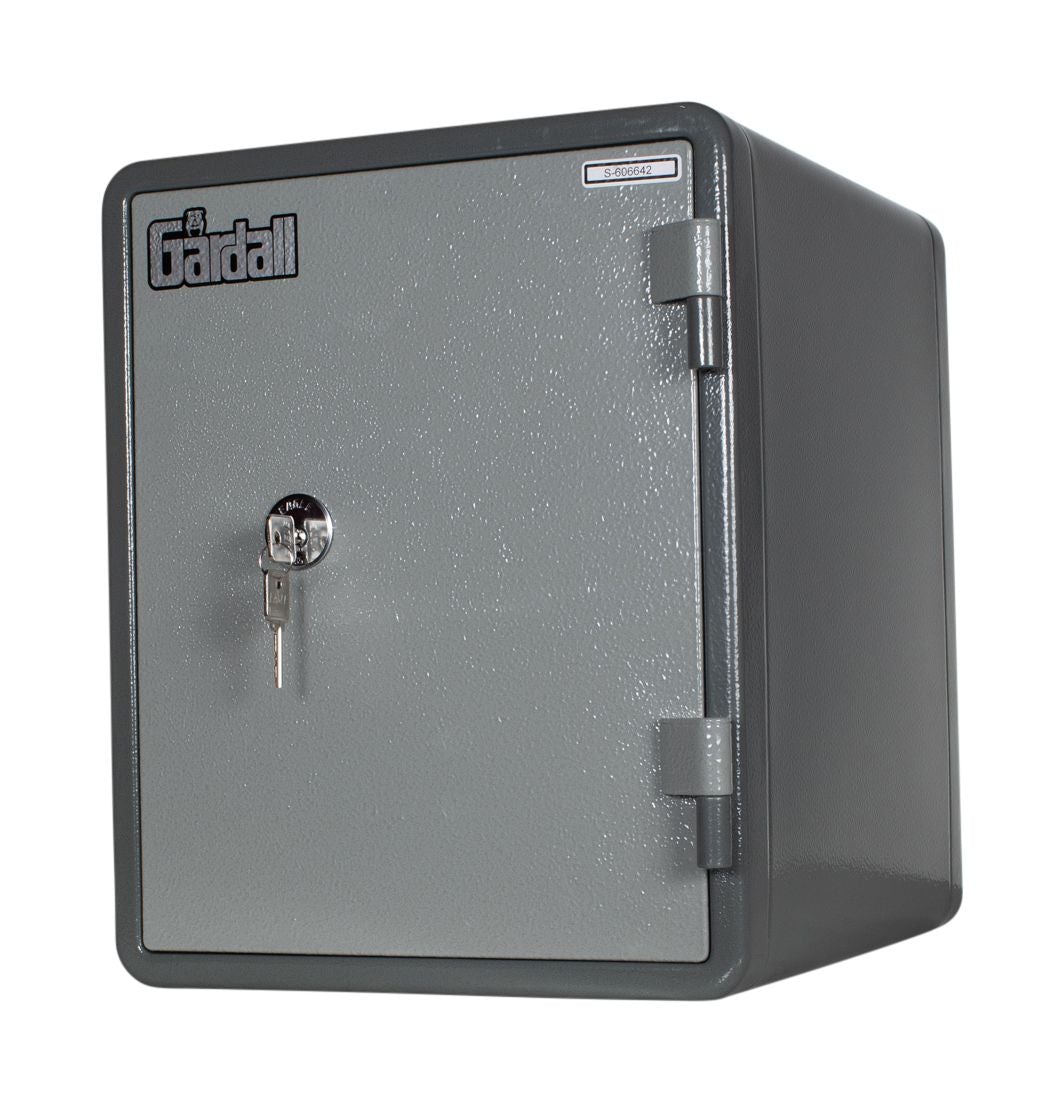
Grab-and-go fire protection for cash, documents, and small valuables.

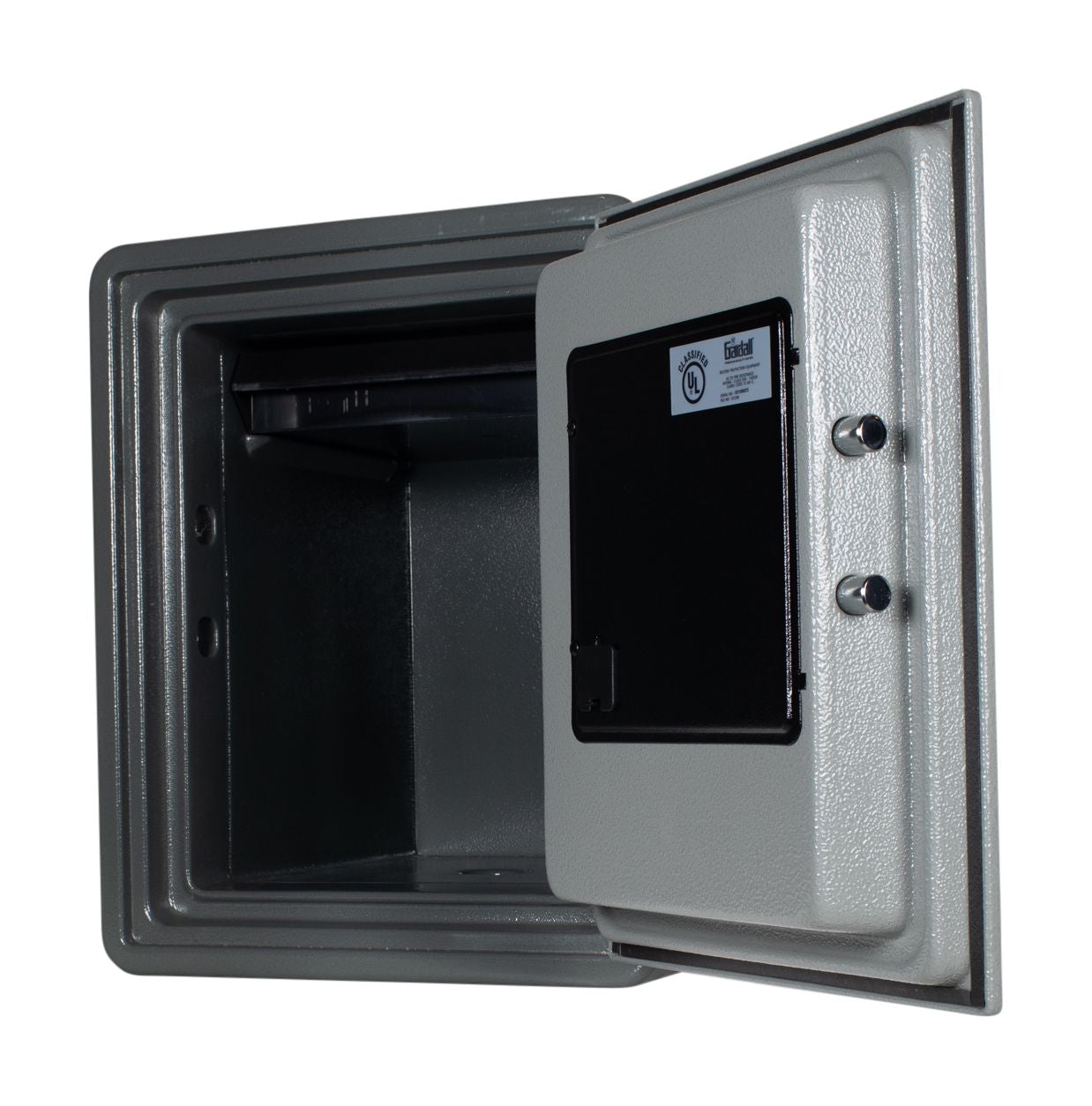
Rated to protect against both fire and water from sprinklers, leaks, or flooding.

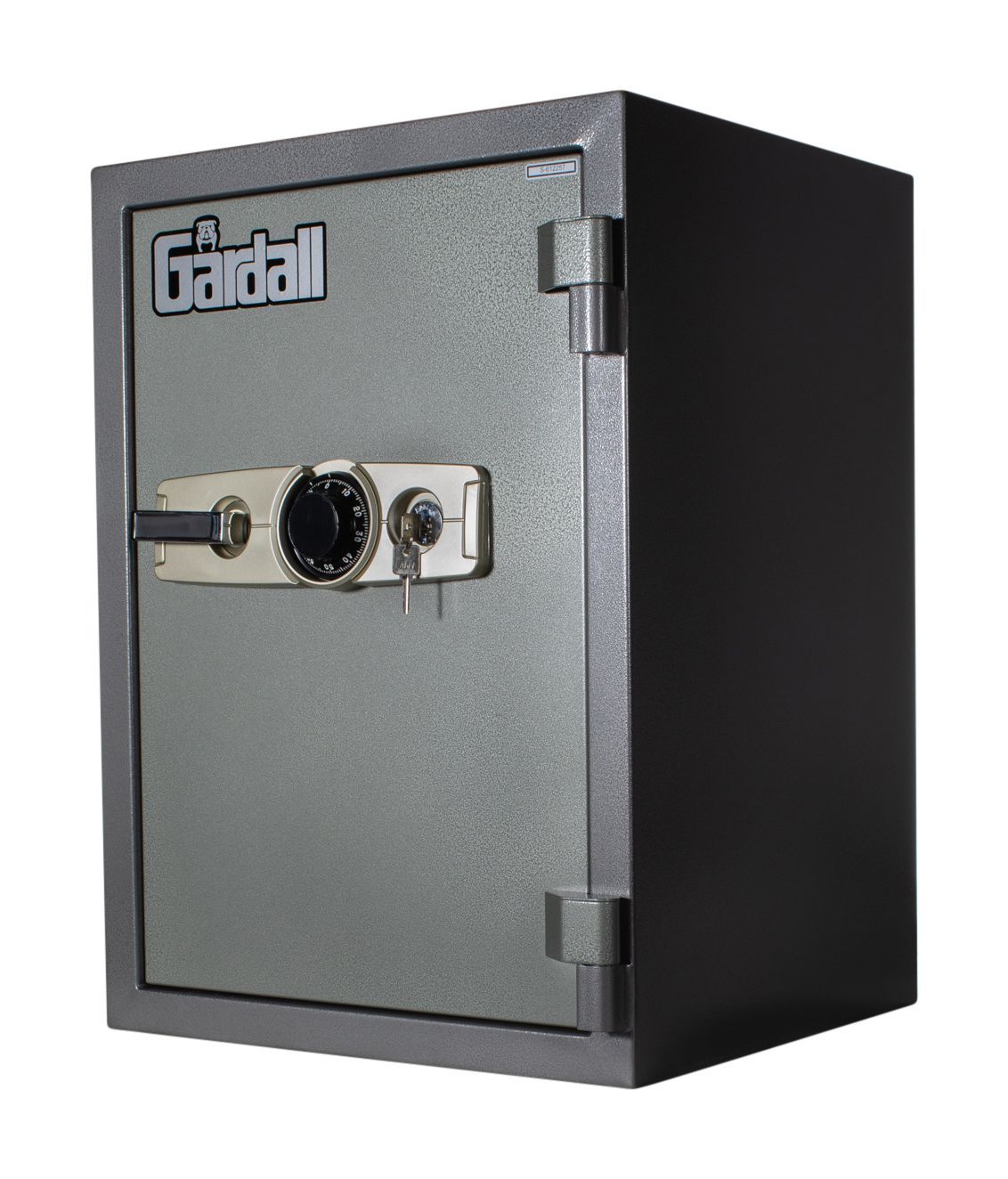
Extra interior space for binders, laptops, backups, and long-term records.

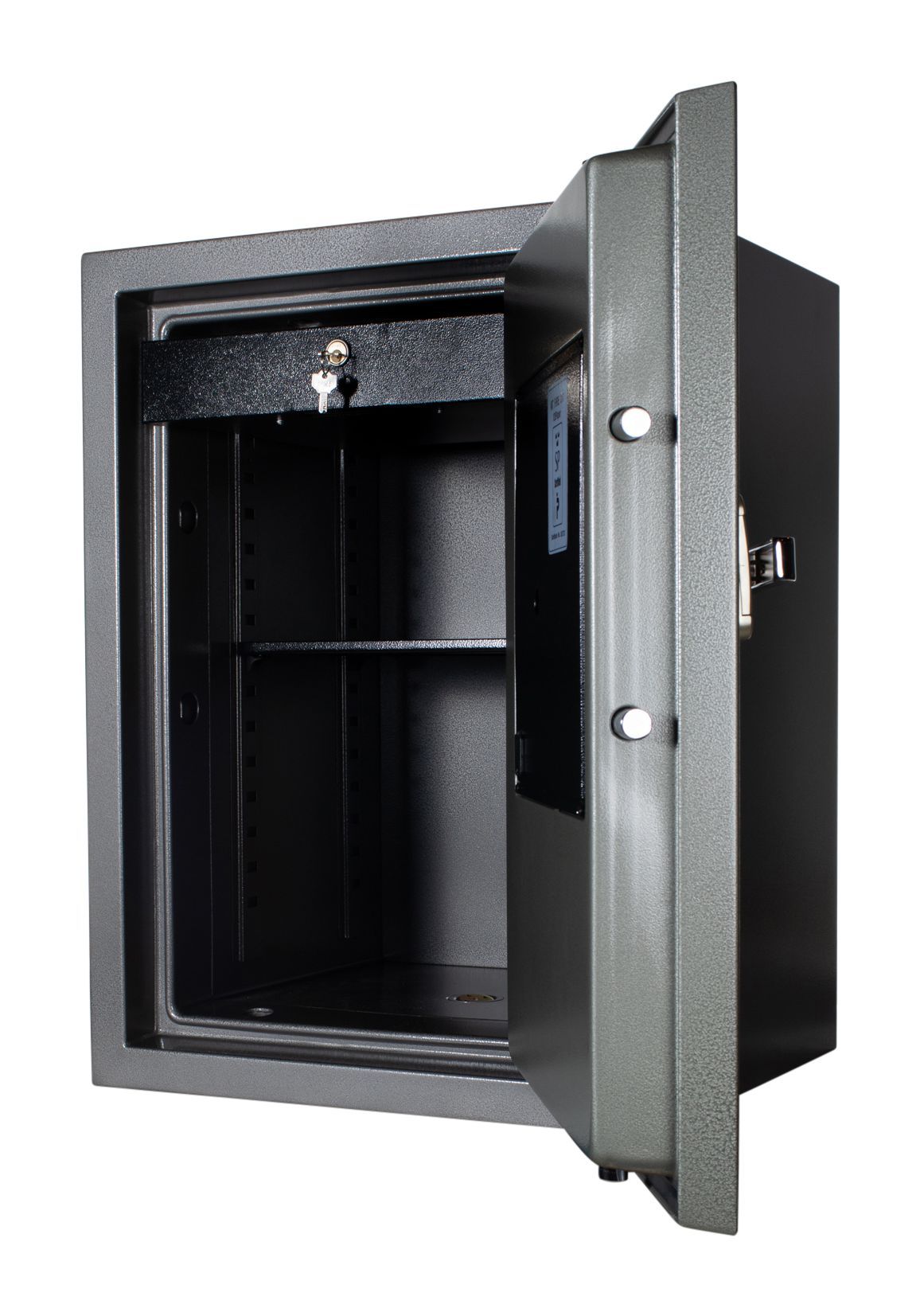
Hidden in the wall with built-in fire protection and a low-profile door.


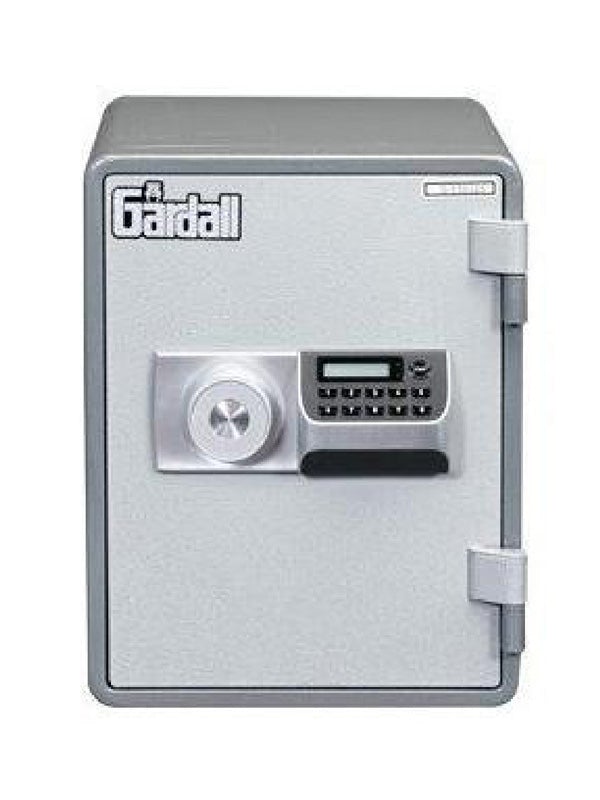
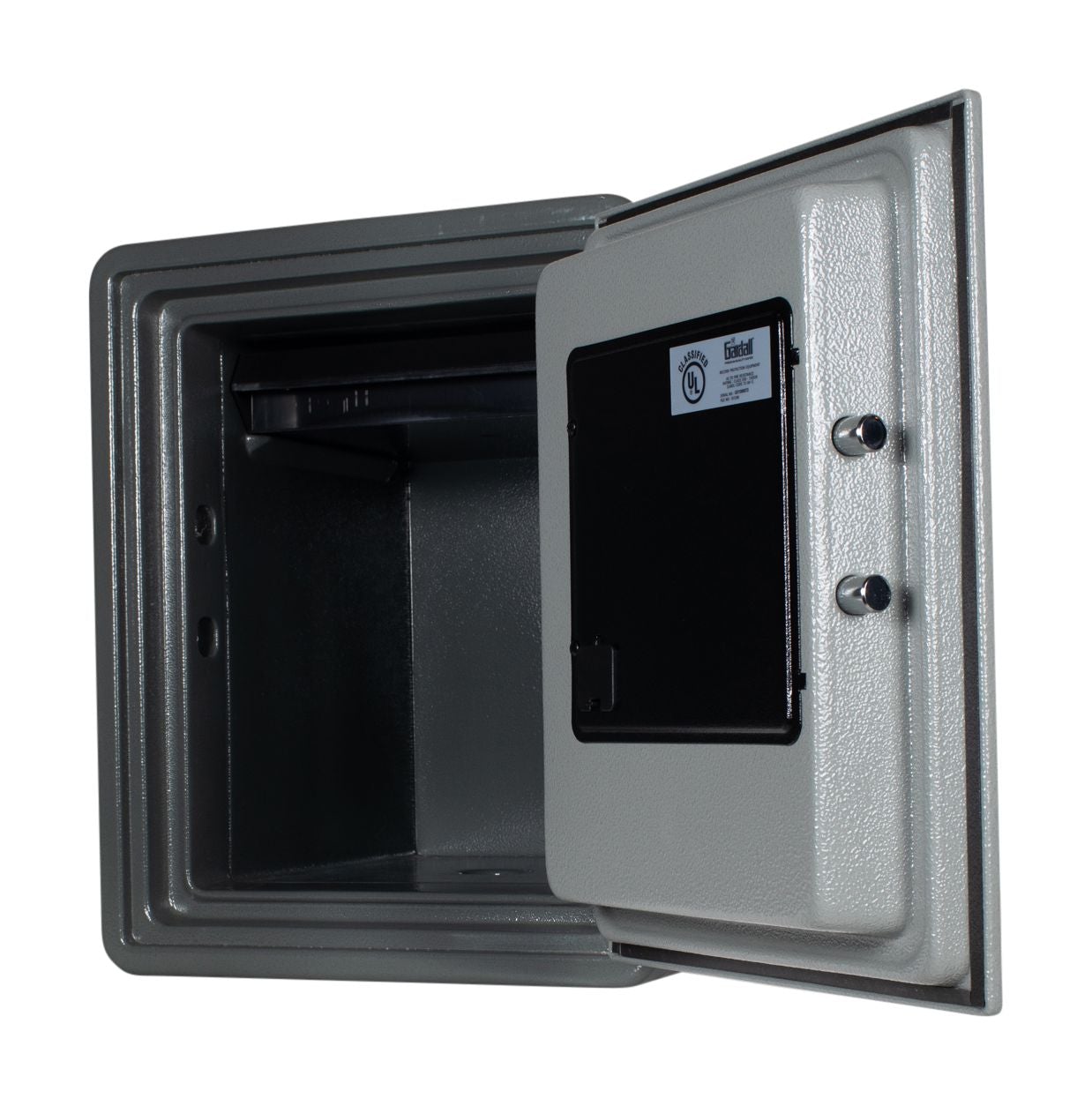
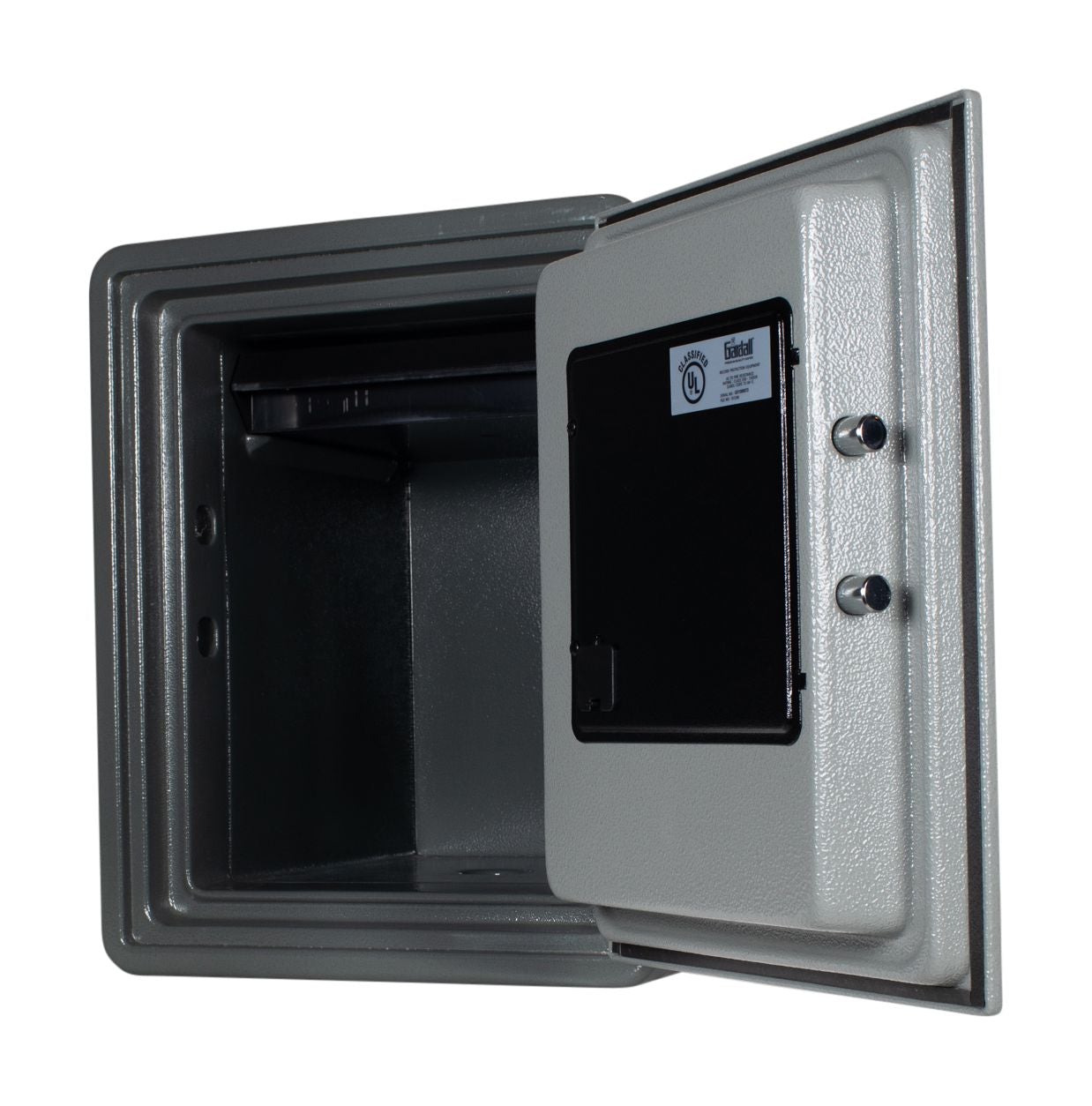




Choosing the right fireproof safe doesn’t have to be complicated. Use these quick checks to find the best fit for your home or business.
Make sure the interior is big enough for your documents, valuables, and anything you’ll add over time. Safes are a long-term investment — you shouldn’t have to upgrade again just because you ran out of space.
Response time matters. If you’re close to a station, a 45–60 minute fire rating is often enough. In rural areas or locations with slower response, a 2-hour fire rating gives your safe a better chance to survive a serious fire.
There’s a fire safe for almost every budget. Even if you’re saving for a “forever safe,” there are solid, affordable options that protect your essentials while you work toward a higher-end model.
Statistically, you’re more likely to experience a property-damaging fire than a burglary. That’s why many homeowners prioritize fire protection first, then add burglary protection as needed.
If you live in a higher-crime area or keep higher-value items at home or in the office, you can upgrade to a burglar–fire safe or a high-security safe that covers both fire and forced entry.
In 2023, residential fires caused more than $9.4 billion in property loss. The most common causes include:
Even if you’ve never experienced a house or business fire, planning ahead is the best way to protect documents, photos, cash, and irreplaceable items.
In the safe industry, “fireproof” is a common term, but technically safes are fire-resistant. A quality fire safe is designed to keep the inside temperature under 350°F (176°C) for a specific amount of time, which is low enough to protect paper documents, cash, and most records.
The strongest and most objective fire ratings come from independent labs such as:
These tests are expensive to run, but they give you the most confidence in how a safe will perform in a real fire.
Some manufacturers perform their own fire tests to keep costs down. That can still be a good option, especially at lower price points. If you’re considering a factory-rated safe, check:
Not all fireproof safes are built to resist break-ins. Many are designed primarily to survive a house fire and only offer light burglary resistance. If theft is also a concern, consider:
Standard fire safes are built around the needs of paper, not electronics. If you’re protecting items like:
you’ll want a Data Media Safe, which is built to keep the interior below 125°F (51°C) so heat-sensitive electronics have a much better chance of surviving a serious fire.
Not sure which fire rating or size is right for you? Our team can help match your situation, budget, and risk level to the right safe.
Real customers sharing their experience with our fireproof safes.
The safe arrived very well packaged. Overall, I’m very happy with my purchase and the experience.
I feel much more comfortable knowing my needs for fire and security protection have been met. It's nice to know we still have quality and excellent customer service in this country. Thank you Hollon.
Arrived in perfect shape, nice fit and finish — clearly quality made. Operates well and is large enough to store a couple of good-sized 3-ring binders plus other items.
This is a great little safe. Easy to operate, fits nicely in my space, and feels like heavy-duty quality. It shipped fast and arrived in perfect condition. Would use again and recommend this company!
Explore expert guides and helpful resources to understand fire ratings, security levels, and how to choose the right safe.
A must-read if you're comparing 30, 60, or 120-minute fire ratings.
Fire Ratings ExplainedOur full breakdown of UL, ETL, factory tests, and what they actually mean.
Are Home Safes Really Theft-Proof?A straightforward look at burglary protection levels and common misconceptions.
Biometric vs Keypad Locks: Which Is Safer?Real-world advice on choosing lock types for fireproof and home safes.
Smart Safe Monitors for Fire & Theft AlertsLearn how wireless monitors add extra peace of mind to your fireproof safe.
A 1-hour or 2-hour fire rating means the safe has been tested to keep the interior below a specific temperature (usually 350°F) for that amount of time while exposed to a severe fire. Longer ratings generally mean more protection, especially if fire response times in your area are slower.
No safe is 100% fireproof. All fire safes are fire-resistant for a limited time and temperature range. The goal is to keep the inside cool enough, long enough, for your documents and valuables to survive until the fire is controlled.
Common items include passports, birth certificates, wills, insurance policies, cash, backup drives, photos, and small valuables. For very high-value items or large amounts of cash, consider a burglar–fire safe or high-security safe instead of a basic fire-only model.
Ideally, place it on a lower floor against an interior wall in a cool, dry location that’s easy for you to access but not obvious to visitors. Avoid damp areas like unfinished basements unless the safe is specifically designed for that environment.
Yes. Hard drives, flash drives, and other digital media are far more heat-sensitive than paper. Look for data media safes or safes specifically rated to keep the interior below 125°F for media protection.